
Sinomine Halts Tsumeb Smelter Operations Amid Global Copper Concentrate Shortage
Sinomine Resource Group announced on Friday that it has temporarily suspended copper smelting operations at its Tsumeb facility in Namibia due to a global shortage of copper concentrate.
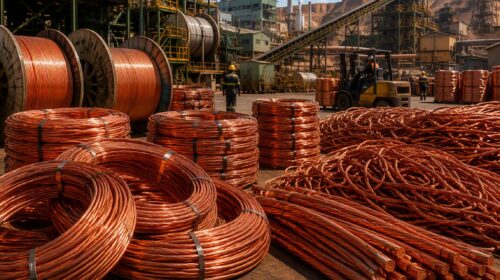
The shortage comes amid a rapid increase in global smelting capacity, which has outpaced the supply of copper ore.
The Tsumeb smelter, one of the few facilities worldwide capable of processing arsenic- and lead-rich copper concentrates, was acquired by Sinomine from Dundee Precious Metals in 2024.
With an annual processing capacity of 240,000 metric tons, the plant has previously handled copper concentrate from countries including Chile, Peru, and Bulgaria.
In recent years, global demand for copper has surged, driven by its critical role in renewable energy technologies such as electric vehicles and solar power.
However, the simultaneous expansion of smelting infrastructure around the world has created a mismatch in supply and demand, leading to overcapacity.
“Increased smelting capacity in major copper-producing regions has resulted in substantial overcapacity,” said Loggan Lou, CEO of Sinomine Tsumeb Smelter, in a statement.
“This has led to a shortage of copper concentrate, placing pressure on smelters worldwide, including Tsumeb.”
Despite the temporary pause, Sinomine remains committed to enhancing the Tsumeb facility. The company is planning upgrades to allow for the commercial production of multiple critical metals and minerals.
In September 2024, Sinomine revealed that the Tsumeb smelter contains an estimated 746 metric tons of germanium—a vital element used in semiconductor manufacturing, infrared optics, fiber optic cables, and solar cell production.
The company is also exploring the addition of germanium and zinc processing lines to diversify and strengthen the smelter’s capabilities.